
Organicoo:
Get 100% Daily Nutritional Needs.
“ The benefits of eating whole foods instead of vitamins and supplements is clear, but which foods and how much? How might we help people get 100% of their daily nutritional needs met through whole foods every day without taking supplements? ”
Background
This was a school side project for Integrating UX with Interactive Visual Design course at the University of Washington Professional Continuing Education. The course itself has driven us an theoretical foundation, essential research insights and practical concept testing evaluation.
I decided to carry this project forward to not only focus on user research but also improve information architecture, design strategy and usability.
My Role
Product Design, Interaction Design, Visual Design, Prototyping, Usability Testing
Team
One Marketing Specialist, Two User Researchers, One Designer
Duration
4 weeks for collaboratively + 3 weeks individually
Research & Design Process
👀Objectives & Hypothesis
Problem Space
Audience Research - User Interviews
Executive Summary
📚Methods & Synthesis
Behavioral Archetype
Journey Map
Secondary Research
💡Ideation & Design
Concept Catalog
Storyboarding
Wireframing
✍️Evaluation & Deliver
Usability Testing
Hi-fi Prototypes
Design Spec
PROBLEM
America is still one of the least healthy nations in the world. Who doesn't love burgers, our special Starbucks drinks, and indulging in decadent desserts? Most of the food we eat are packed with empty calories that make us crave more instead of consuming nutrient-rich foods that our bodies recognize when we have eaten enough. The benefits of eating whole foods instead of vitamins and supplements is clear, but which foods and how much?
Therefore, I raised the question:
How Might We help people get 100% of their daily nutritional needs met through whole foods every day without taking supplements?
SOLUTION
Interaction Prototype
AUDIENCE RESEARCH
Common
Self-teaching about healthy eating, using books, articles, journals, internet
They know the concept of healthy food: less sugar, less salt, less meats, eat more vegetables and fruits.
It is difficult to use an app to do track diet
No “best way” to change diet
Hoping for some effective methods to monitor diet and health conditions
Want to save money and time
Overall are ok with current food choices
Different
Some take supplementary nutrients
Varying health challenges, such as high cholesterol, over-weight, heart problems, polycystic fibrosis, etc.
Variable food responsibility (planning, buying, cooking)
Goals
Reduce sodium and sugar intake
Increase vegetable and fruit intake
Reduce some meat consumption
Learn more about nutrition
Pain Points
Cost may prohibit purchase of the “best” foods available
Foods at lower-cost markets (e.g., Trader Joe’s) are sufficiently nutritious
Motivation and endurance
Sustainability (in terms of lifestyle, cost, and time)
Apps are too time consuming to use
The amount of information available online makes finding the right answer challenging
EXECUTIVE SUMMARY
Why aren’t we eating real food more regularly?
The topic of healthy eating and, secondarily, being healthy overall is very broad. Supplements are a periphery component to eating healthy, and the interviews in the next part indicates most people don’t voluntarily take supplements regularly. This portion focuses mainly on the behaviors, influences, and tools of choosing (or not choosing) healthy food options.
The Situation
Americans today are consuming more calories and barely meeting minimum nutritional intake based on health.gov dietary guidelines. The current eating pattern sees a trend where more than half of the population meets or exceeds the total grain, protein, added sugars and saturated fats food group and sees three-fourths of the population eating a diet low in vegetables, fruits, dairy, and oils. This eating pattern has led to an all-time high in obesity and chronic diseases.
Government standards have also not been successful at addressing consumer needs with personalized dietary guidelines rather that a one-fits-all guideline. Political agendas and corporate funding have also played a role in government messaging that has led to confusion and mistrust among consumers.
The technological advancements and emerging scientific discoveries have also enabled and encouraged consumers to monitor and respond to their own health needs. With online accessibility to copious amounts of information that sometimes is unregulated/unverifiable a lot of misinformation is easily spread creating barriers that start with the very basics of what a healthy diet is.
The Tension
A healthy diet is personal. It will look different to everyone based on needs and wants. The United States is a highly diverse nation with varied personal preferences. Income and life circumstances play a major role in food decisions. Where people live, learn, and work will also impact their food choices. With so much variance we must find the common factor that influences all our food choices.
When it comes to food, some of the questions we ask ourselves are:
How much time do I have to eat? What's nearby? How long will this take to make? How long until I see results?
All these questions center around time; where time has become the priority and eating has to "fit in" to our daily lives. However, time is specific to an individual. Creating a healthy diet that is personalized to "fit in" to a lifestyle is the key to making lasting change.
To create a healthy diet that is not only personalized but "fits in" to our lifestyle. We will create a digital experience that allows a user to develop a personalized eating plan based on data inputted by the individual.
The Opportunity
Food and beverage choices matter. We must assist users in developing healthy eating patterns that focus on variety, nutrient density, and appropriate calorie level to help achieve and maintain a healthy body weight, support nutrient adequacy, and reduce the risk of chronic disease tailored to that user's needs. Here is how our digital platform will assist:
Offer diverse diet plans
Leverage food outlets’ consumer reach
Provide community support tools
Align government messaging and platforms for delivery
Increase overall health behavior
Provide compatibility among multiple devices
Provide credible information that reduces misinformation regarding food and nutrition
METHODS
1. Behavior Archetype
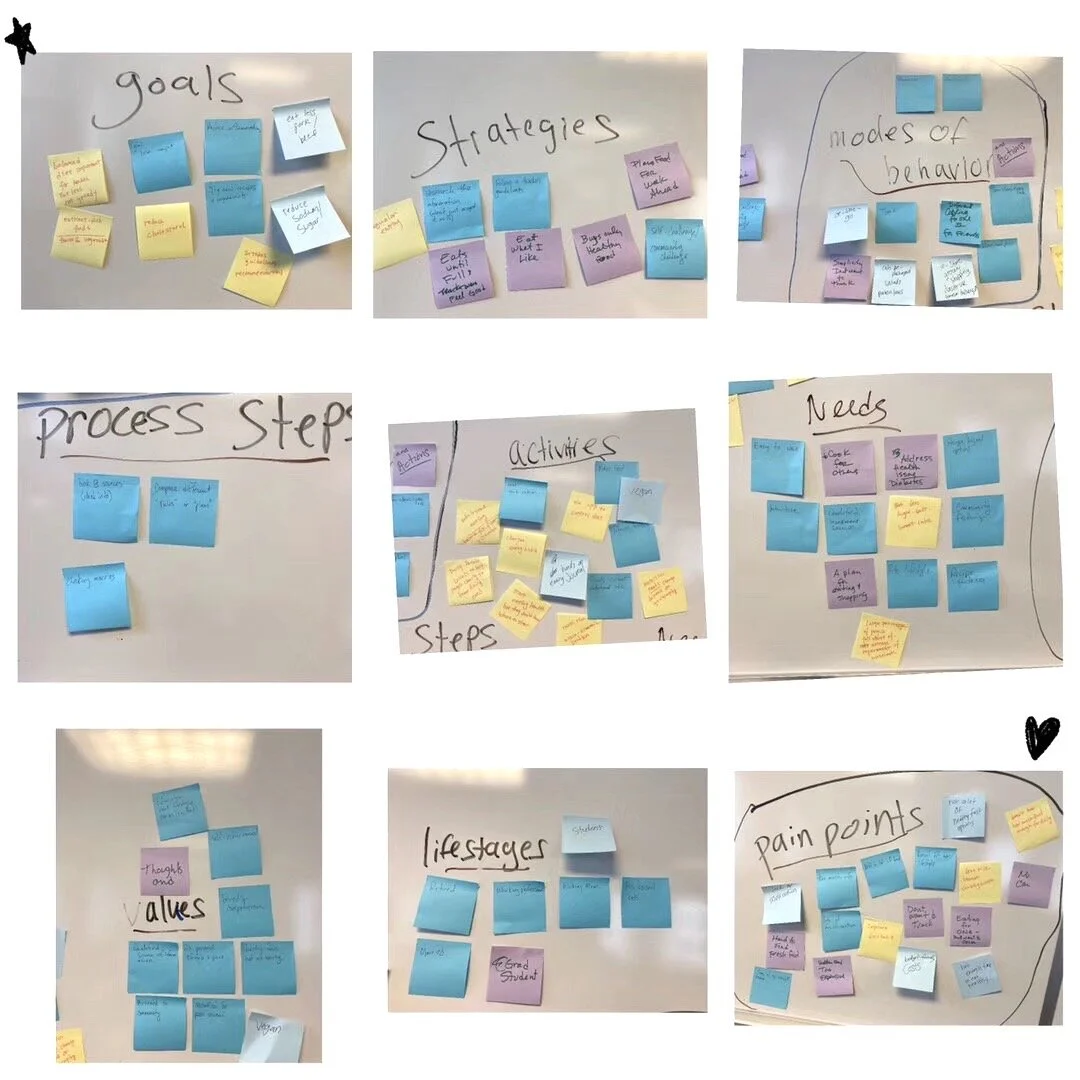
Behavior Archetype Clusters 👉
Based on extensive audience research and executive summary that we have observed and conducted firsthand, we generated this sticky cluster and categorized them to three archetypes:
The Transformer
The Improver
The Catalyst
👇Then we created 3 behavior archetypes worksheet including following characteristics: Goals, Needs, Pain-points, Thoughts, Feelings and Actions.
Behavior Archetype - The Transformer
Behavioral Archetype Worksheet - The Transformer
Behavior Archetype - The Improver
Behavior Archetype Worksheet - The Improver
Behavior Archetype - The Catalyst
Behavior Archetype Worksheet - The Catalyst
2. Journey Map
Journey Map for The Transformer + The Improver + The Catalyst
SYNTHESIS
1. The Healthy Food Industry Outlook
In the coming years, the healthiness of Americans' diets will continue to increase, with the consumption patterns of all measured food categories expected to improve. Health food stores have become more popular than ever in recent years and increasing income will push more consumers to eat healthier foods that may come with a higher price tag.
Value Exchange Map
Value Exchange Map
People are running out of time to choose. Changing demographics are forcing the traditional forms of health information to change.
Demographics
2. Government
Government plays in important role in both the problem as it stands today and the easement of the future solutions.
Proposals to place taxes and restrictions on high-calorie or high-sugar foods and beverages continue to be advanced, with minimal evidence that such actions are effective and no clear consensus of what “high-calorie,” high-fat,” “high-sugar,” or “bad” foods or beverages means.
Government and other nutrition sources provide the building blocks of nutrition information, but constantly evolving nutrition discovery has failed to provide guidance on how to put that information together.
Society is entering a transition period with regards to what information is the right information to follow for adequate and better health and diet.
Summarized History of Government Nutrition Guidance
Government policy is a key entity for setting up, reinforcing, and sustaining permanent social change.
Different levels of government play complementary roles in creating change.
US Food Law
There are many ways that government can intervene in order to enable greater fruit and vegetable access and intake.
Intervention
The average daily requirements of many vitamins, minerals, and caloric intake are not met by most Americans.
A large percentage of people fall short of the average requirements of many nutrients.
US Government Standards
There is a widespread belief that vitamin and mineral supplements are beneficial to health, but they are unregulated leading to inconsistent formulas and results.
“Everyone has different bodies and works differently so certain people will have health conditions where they do need an extra boost from supplements” (Interviews)
Supplement Standards
3. “The Human Condition”
The 1% difference in our biological makeups has exponential consequences when following a diet made for “everybody”. People will change behaviors given the right tools and incentives.
“The potential identification of foods and food components that stimulate the production of factors that accelerate tissue repair and regeneration could revolutionize dietary recommendations across multiple age groups and be further individualized based on genetic and epigenetic profiles.”
Many people avoid tracking nutrition because the available apps are either lacking relevant information or are too complicated.
Self-Regulation Statements from Interviewees
The proliferation of sugars in the Standard American Diet makes it a significant challenge for anyone, especially people without a sugar related disease, to reduce sugar intake.
Sweets are both biologically enticing and culturally appealing.
Proliferation of Sugars
Culture and geography influence perceptions about what defines human health.
Influence of Culture & Geography
Wealth and education are a determinants in what foods people have access to. (Social-economic Factors)
“I'm cost-conscious, but I don't need all this fancy shit (food). I can get most of what I want at other places...When I go past the Whole Foods meat-market counter, I go, ‘who in their right mind pays this much for that?’” (Interviews)
Poverty and Richness
Higher-quality diets are associated with greater affluence, energy-dense diets that are nutrient- poor are preferentially consumed by persons of lower socioeconomic status and of more limited economic means.
Education
People with lower levels of education and income have less healthy dietary habits, partly because of their higher priority for price and familiarity, and their lower priority for health as a motive for food purchase.
Where people live, work, and shop, as well as other contextual factors strongly influence their food and nutrition choices. (Organizational Behavior)
For most individuals, achieving a healthy eating pattern will require changes in food and beverage choices.
Concerted efforts among health professionals, communities, organizations, and other segments of society are needed to support individuals and families in making dietary and physical activity choices that align with the Dietary Guidelines. Everyone has a role, and these efforts, in combination and over time, have the potential to meaningfully improve the health of current and future generations.
Environmental modifications are necessary for affecting food choice and to promote specific food consumption patterns.
Understanding environmental influences may help explain socioeconomic status and cultural difference in health behaviors and health outcomes.
Determinate of Physical Activity and Eating Behavior
Some points of intervention are more likely to succeed than others. Some points of change will have less or more impact than others.
Changeability in Relation to Impact
4. Technology
Even though people are overcome by the amount of information and misinformation available to them, the fact is that advancements in science and technology as well as collective social awareness are beginning to shed light on what is right for the individual and to give them the support and tools they need to make the right decisions for their health.
Technology can provide the individualized answers that our specific genetic biology require for a healthy diet.
Even though the future of our healthy diet needs to be at the individual level, technology tools can help the individual map what is right for them.
Technology Impact
Nutrition information and weight-control intervention via smartphone app influences consumers.
“Users are more likely to adopt the app if they are perceived as easy to use and able to improve their dieting, especially if there is influence from users’ social circle or if a user has an innovative personality.”
Smartphones Impact
Smartphone apps that monitor health and give feedback are successful in helping people maintain tracking of diet.
Although study participants logged more accurately, more frequently, and more easily using a smartphone, including diet counseling or information in the app features is required to create a shift in health using this technology.
Tracking Impact
IDEATION
1. Idea Generation
As a team, in order to solve the problems we identified, we generated various ideas and transferred idea cluster to concept catalog as our solutions. And we highlighted four ideas by Four Categories Method - Most Rational, Most Delightful, Darling and Long shot. Then generate our Concept Narrative Storyboarding.
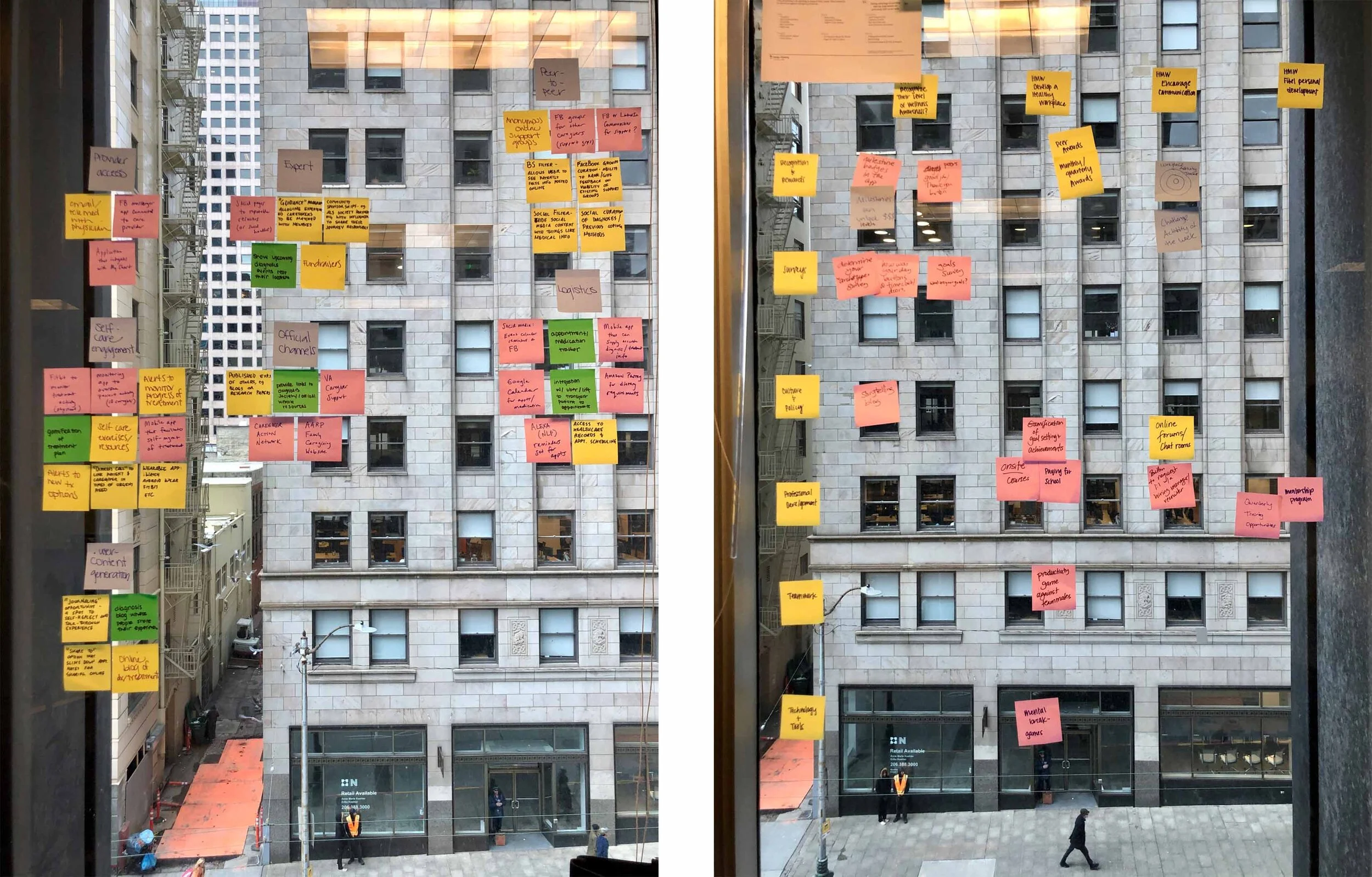
Generating Ideas
Stickies Framing & Windows :)
2. Concept Narrative Storyboarding
After selected 4 curated concepts in the last phase. We created 4 Concept Narrative Storyboards for concept feedback session.
Concept A - General Information
Concept B - Ask the Expert
Concept C - User vs User Challenges
Concept D - Healthy-food Game
CONCEPT TESTING
1. Pre-study Questions
Behavioral Archetype Identification
During Pre-Study (3 minutes) section, we used this section to gain a better understanding of the user’s current experience. This section was used to explore the needs, pains, and goals of the user in the context of the experience you’re trying to improve.
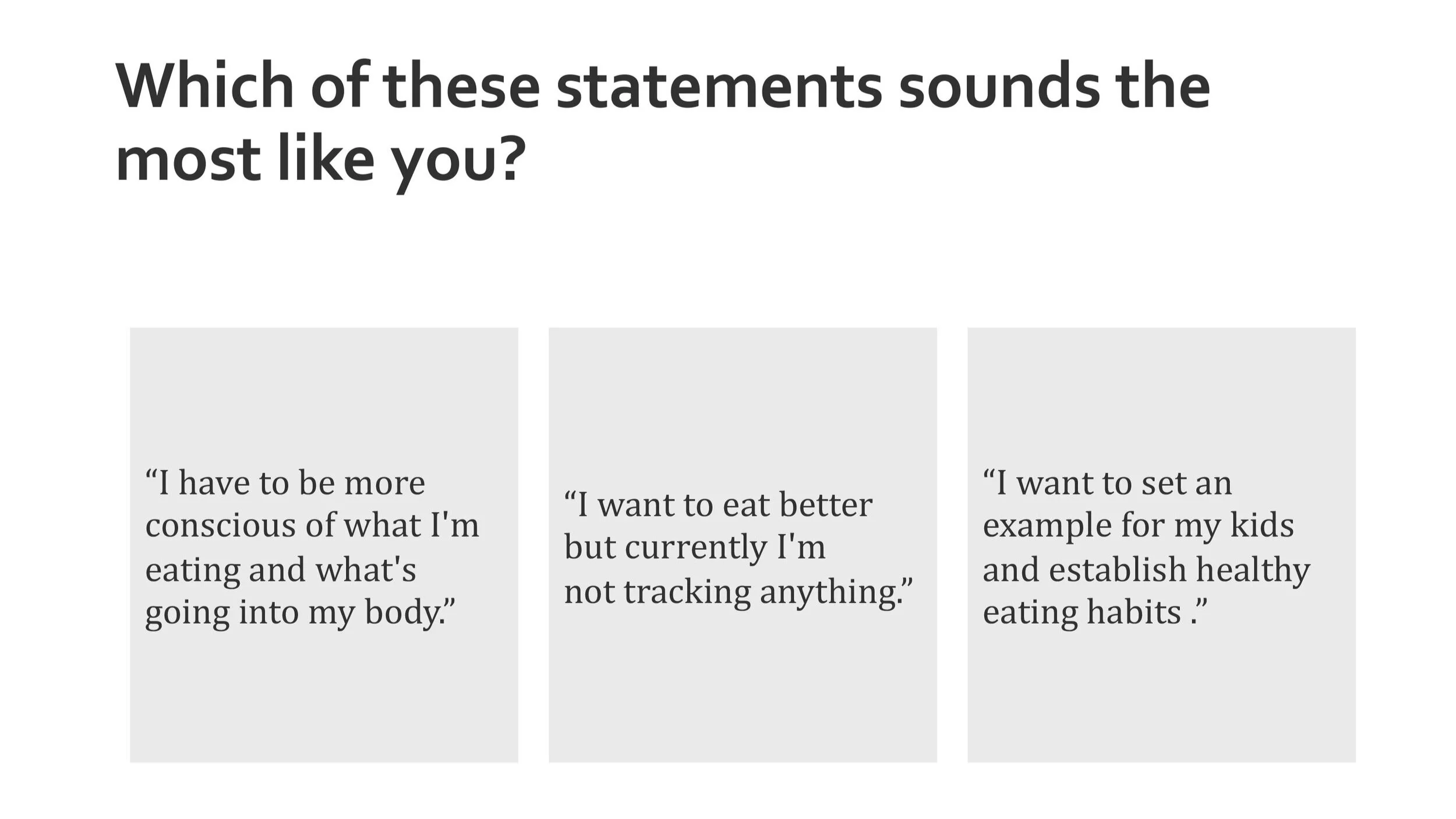
Behavioral Archetype Identification Question
2. Concept Feedback
Survey
Survey Results from 5 Participants
DESIGN & EVALUATION
From problems to solutions
Scoping
After capturing concept feedback from the participant, we used this section to wrap-up the previous study and probe for any final thoughts or feelings. Then we prioritized issues by severity and matched key problems with features and solutions for scoping.
We sorted all issues under categories and decided to redesign within 6 focus areas
Feature Prioritization
After solution scoping, we were prioritizing our features through 2x2 matrix as our criteria, aiming to confidently prioritize what to build next based on user feedback and clear strategic criteria.
We finally decided to focus our redesign on 4 areas as our navigation bars and their related elements as follows:
Focus Area
Export Assistance
Tailored Lifestyle Buildup
Sharing Community
User Challenges
Elements
Expert One-on-One Consultant
Tailored Calendar to Fits in Users’ Lifestyle and Personalized Map Guiding for Finding Available Organic Foods
Sharing Community for Making Healthy Food Visual/Videos
Challenges & Gamification Competition
Site Map
Initial Site Map by Lucidchart
User Flow
Two selected user flows by Overflow
Wireframing
Lo-fi Wireframes Sketching
Lo-fi Wireframes by Axure
Mid-fi Wireframes by Axure
FINAL DESIGN
How we solved the problems
Mind Map
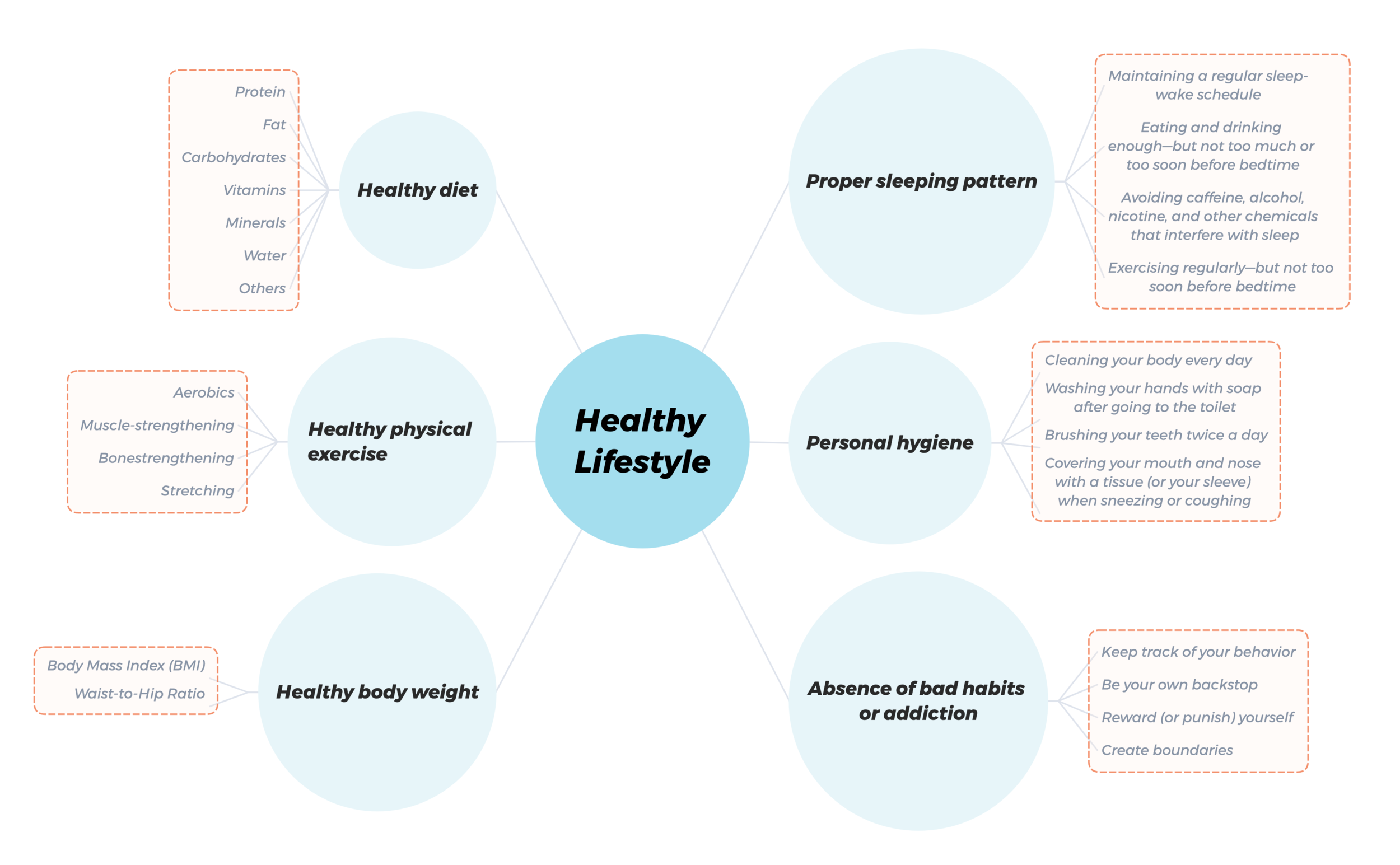
Mind Map
Mood Board
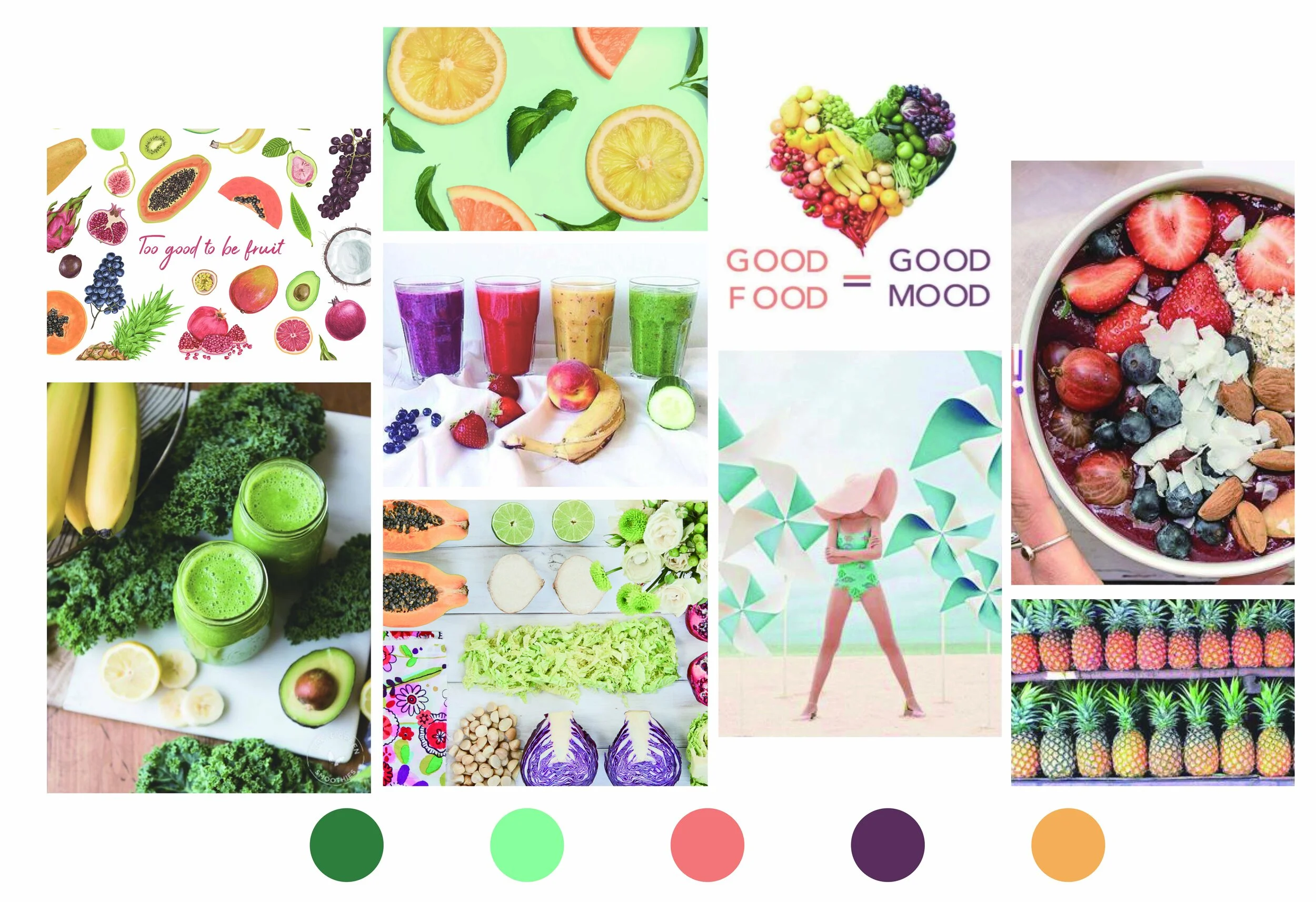
Mood Board
Style Guide
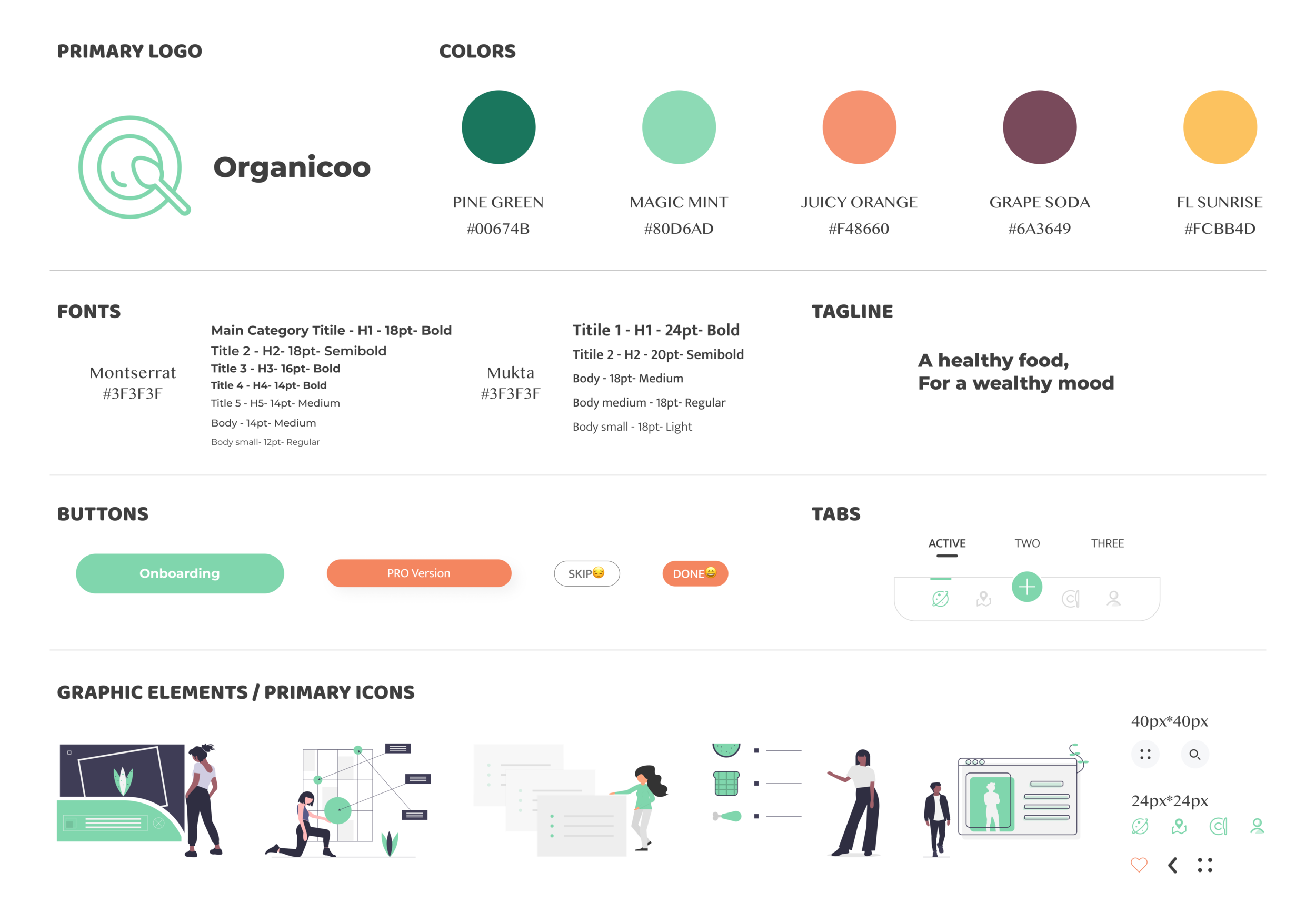
Style Guide
TAKEAWAYS
Design with limitations
The biggest lesson I learned from this project is to understand and get used to limitations in my design. Just like painting, an important thing to do is to understand your tools and materials. We should also understand the machine and data so that we won't subject our design to the whim of our naive mind.
Make intentional decisions
Design specification is always about decision making and there should always be a reason behind every decision. When facing a tough choice, limitations, design requirements and insights from user research are always great references.
Work with ambiguity but always look for chances to check my assumptions
There are many assumptions I made during the ideation and design process. I kept a list of questions I had and looked for opportunities to get them answered by consulting or formal and informal usability studies.